Introduction
Industrial enclosures are no longer just protective housings; they are evolving into intelligent, adaptable, and sustainable systems. As industries demand higher efficiency, better performance, and environmental responsibility, enclosure design is undergoing a major transformation.
The future of industrial enclosures lies in three key pillars: smart functionality, modular flexibility, and sustainable engineering. Businesses that adopt these advancements gain better system performance, reduced operational costs, and long-term reliability.
This blog explains how modern enclosure designs are evolving and why they are critical for next-generation industrial applications.
Why Traditional Enclosures Are No Longer Enough
Conventional enclosures were designed primarily for protection, shielding components from dust, moisture, and physical damage. While this remains essential, modern systems require much more.
Limitations of traditional designs include:
- Limited adaptability to changing system requirements
- Inefficient thermal management
- Difficulty in scaling or modifying configurations
- Lack of integration with monitoring systems
As industries adopt automation, IoT, and high-performance electronics, enclosures must evolve to support these advancements.
Smart Enclosures: Intelligence Built Into Protection
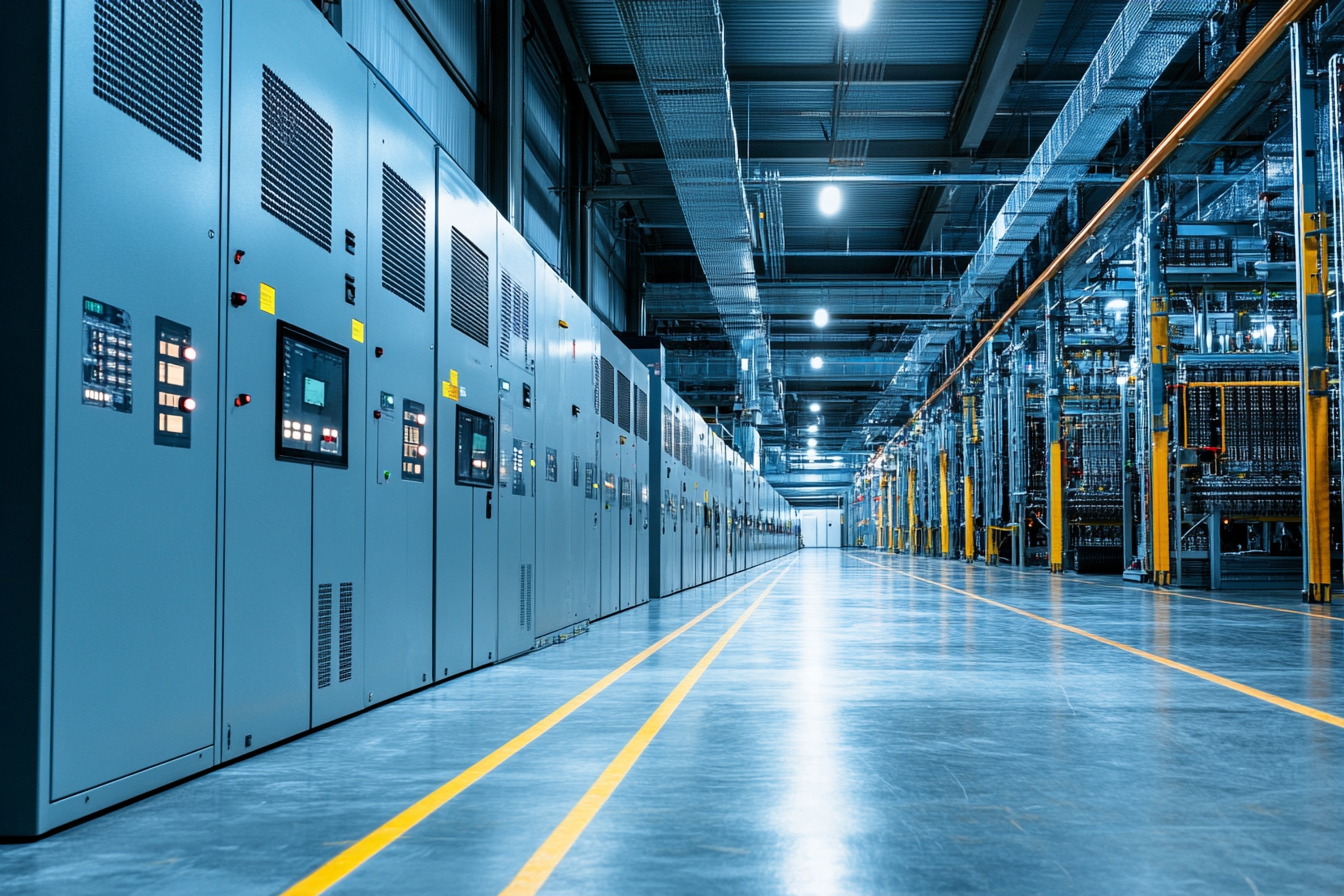
Smart enclosures integrate technology to monitor and optimize internal conditions. They go beyond passive protection and actively contribute to system performance.
Key features of smart enclosures:
- Integrated sensors for temperature, humidity, and airflow
- Real-time monitoring to prevent overheating or system failure
- Remote diagnostics for predictive maintenance
- Improved thermal management systems
These capabilities help reduce downtime, prevent component damage, and improve overall system efficiency.
Smart enclosures are especially valuable in industries where reliability is critical, such as telecommunications, automation, and electrical systems.
Modular Designs: Flexibility for Growing Systems
Modern industries require systems that can adapt quickly. Modular enclosure designs make this possible by allowing easy customization and scalability.
Benefits of modular enclosures:
- Easy expansion without redesigning the entire system
- Faster installation and maintenance
- Interchangeable components for different applications
- Reduced downtime during upgrades
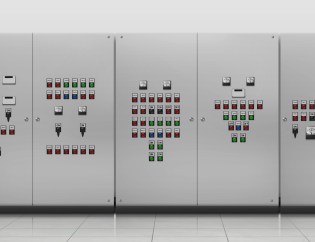
For example, in LED lighting systems or control panels, modular enclosures allow quick adjustments as system requirements change. This flexibility significantly reduces long-term costs and improves operational efficiency.
Sustainable Enclosures: Engineering for the Future
Sustainability is becoming a key priority in industrial design. Enclosures now need to minimize environmental impact while maintaining high performance.
Sustainable enclosure design focuses on:
- Eco-friendly materials that reduce environmental footprint
- Recyclable and reusable components
- Energy-efficient manufacturing processes
- Optimized designs that reduce material waste
In addition, better thermal management reduces energy consumption, especially in systems that require cooling. This not only lowers operational costs but also supports sustainability goals.
Advanced Materials Driving Innovation
Material selection plays a crucial role in the future of enclosures. Modern applications require materials that are strong, lightweight, and durable.
Key material advancements include:
- High-performance metals for structural strength
- Advanced alloys for corrosion resistance
- Thermally conductive materials for heat dissipation
- Lightweight composites for easier installation and transport
These materials ensure enclosures can handle demanding environments while maintaining long-term reliability.
Improved Thermal Management for High-Performance Systems
As electronic components become more powerful, heat generation increases. Without proper heat management, system performance and lifespan are at risk.
Future-ready enclosures address this through:
- Integrated heat sinks and ventilation systems
- Optimized airflow design
- Materials with high thermal conductivity
- Compatibility with active cooling solutions
Effective thermal management ensures stable performance and prevents costly failures.
Applications Across Industries
Smart, modular, and sustainable enclosures are transforming multiple industries:
- Electronics and Electrical Systems – Improved safety and system reliability
- Telecommunications – Better heat management and network stability
- LED Lighting – Efficient housing for large-scale installations
- Industrial Automation – Flexible systems that adapt to changing needs
- Automotive and EV Systems – Lightweight and thermally efficient designs
These industries rely on enclosures not just for protection, but for performance optimization.
What Defines a Future-Ready Enclosure
To stay competitive, businesses must choose enclosures that are built for evolving demands.
A future-ready enclosure offers:
- Smart monitoring capabilities
- Modular and scalable design
- Efficient thermal management
- Durable and sustainable materials
- Consistency in performance across applications
These features ensure long-term value and adaptability.
Getting Started
If you are planning to upgrade or design industrial systems, consider enclosures as a strategic investment, not just a protective component.
Focus on solutions that support scalability, improve efficiency, and align with sustainability goals. The right enclosure design can significantly enhance system performance and reduce long-term costs.
Conclusion
The future of industrial enclosures is defined by innovation and adaptability. Smart technologies, modular structures, and sustainable materials are transforming how enclosures function in modern systems.
Businesses that embrace these advancements will benefit from improved efficiency, reduced downtime, and long-term reliability.
Because in today’s industrial landscape, enclosures are no longer just protective; they are essential to performance, scalability, and future growth.