Introduction
Electrical and electronic equipment generate heat as a natural byproduct of operation. If this heat is not managed properly, it leads to reduced efficiency, system instability, and premature component failure. Heat sinks play a critical role in maintaining optimal operating temperatures and ensuring long-term reliability.
At Shiv Shakti Engineering, we design and manufacture heat sinks that support performance stability across industries. Proper heat dissipation is not optional—it is essential for protecting equipment, improving efficiency, and extending lifespan.
This blog explains why heat sinks are vital, how they function, and how proper thermal management directly impacts operational performance.
Why Thermal Management Is Critical
Every electrical circuit produces heat due to resistance and energy conversion. Without effective heat sinks, excessive thermal buildup can cause:
- Reduced electrical efficiency
- Performance degradation
- Warping of components
- Shortened equipment lifespan
- Sudden system failures
Thermal stress is one of the most common causes of equipment malfunction. Heat sinks act as a safeguard by drawing heat away from sensitive components and dispersing it into the surrounding environment.
What Are Heat Sinks and How Do They Work?
Heat sinks are passive thermal management devices designed to absorb and dissipate heat from electronic components. They work by:
- Conducting heat away from the source
- Spreading the heat across a larger surface area
- Releasing the heat into the air through convection
The efficiency of heat sinks depends on material selection, surface area design, airflow compatibility, and precise engineering tolerances.
When properly designed, heat sinks maintain temperature stability even under continuous load.
The Impact of Heat Sinks on Equipment Efficiency
Temperature directly influences electrical efficiency. As temperatures rise:
- Electrical resistance increases
- Energy losses grow
- Output performance declines
Heat sinks maintain optimal temperature ranges, ensuring that components operate at peak efficiency. By reducing energy loss due to overheating, properly engineered heat sinks contribute to better overall system performance.
Efficient heat sinks also minimize the need for excessive active cooling systems, reducing energy consumption and operational costs.
Preventing Component Failure with Heat Sinks
Semiconductors, processors, power modules, and LED drivers are highly sensitive to temperature fluctuations. Without effective heat sinks:
- Solder joints weaken
- Circuits degrade
- Internal stress builds up
- Failure rates increase
Heat sinks reduce thermal cycling stress, one of the leading causes of microfractures in electronic systems. By stabilizing temperatures, heat sinks prevent sudden breakdowns and extend the operational life of equipment.
Material Selection: The Foundation of Effective Heat Sinks
The performance of heat sinks depends largely on the material used. High thermal conductivity materials such as aluminum alloys are widely preferred due to:
- Efficient heat transfer
- Lightweight structure
- Corrosion resistance
- Cost-effective scalability
Material consistency ensures that heat sinks maintain reliable thermal performance across large production volumes.
Design Factors That Influence Heat Sink Performance
Not all heat sinks deliver the same results. Performance depends on several critical design elements:
Surface Area Optimization
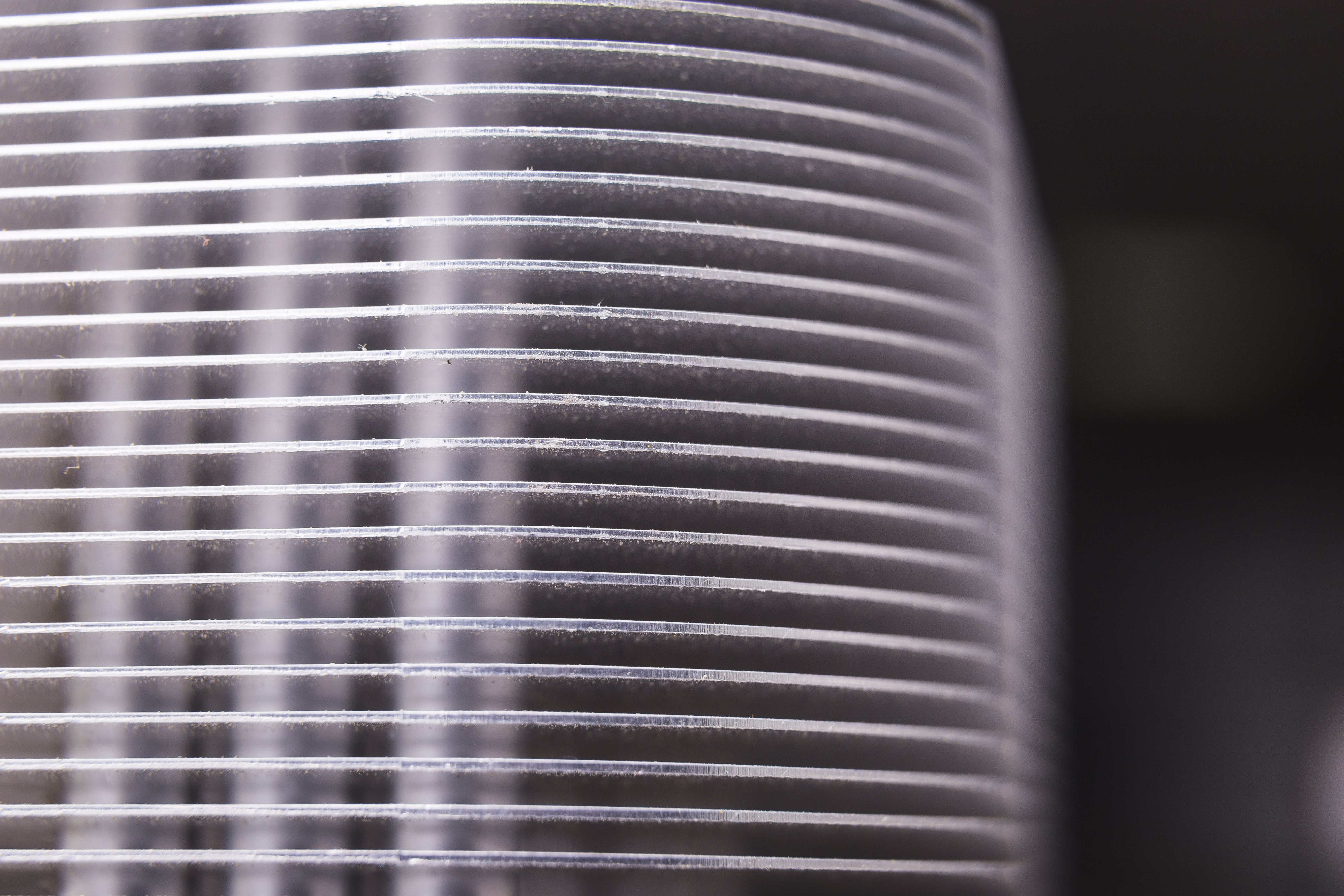
Larger surface areas allow heat sinks to dissipate heat more effectively. Fin structures and geometric configurations increase exposure to air.
Airflow Compatibility
Heat sinks must be designed to align with natural or forced airflow systems. Poor airflow reduces cooling efficiency.
Precision Manufacturing
Dimensional accuracy ensures proper contact between the heat sink and the heat source. Even small gaps reduce heat transfer efficiency.
Mounting Stability
Secure attachment prevents vibration-related misalignment and ensures consistent thermal conductivity.
Engineering heat sinks with precision across these areas ensures stable and repeatable performance.
Applications of Heat Sinks Across Industries
Heat sinks are essential in various sectors where thermal management determines performance reliability.
Electronics Industry
Processors, power supplies, and circuit boards rely on heat sinks to prevent overheating.
Electrical Systems
Control panels and distribution units use heat sinks to stabilize high-power components.
LED Lighting
Heat sinks preserve LED brightness and extend lifespan by preventing thermal degradation.
Automotive Systems
Modern vehicles use heat sinks in electronic control units and battery systems.
Telecommunications
Heat sinks ensure stable performance in networking and signal equipment operating continuously.
Medical Equipment
Precision heat sinks protect sensitive diagnostic and monitoring systems from temperature-related failure.
Across all these industries, heat sinks directly influence uptime, efficiency, and safety.
The Long-Term Benefits of Proper Heat Sink Integration
Investing in well-designed heat sinks delivers measurable advantages:
- Extended equipment lifespan
- Reduced maintenance frequency
- Lower energy consumption
- Increased system reliability
- Improved safety compliance
When thermal management is integrated early in the design process, equipment operates more predictably and sustainably.
Common Mistakes in Thermal Management
Organizations often underestimate the importance of heat sinks. Common errors include:
- Selecting undersized heat sinks
- Ignoring airflow conditions
- Poor mounting alignment
- Compromising on material quality
- Delaying thermal design until late development stages
These mistakes increase operational risks and long-term costs. Proactive thermal planning prevents these issues.
Our Approach to Heat Sink Engineering
At Shiv Shakti Engineering, we focus on delivering heat sinks that are engineered for performance and scalability. Our process includes:
- Thermal analysis during design stage
- Material optimization for conductivity
- Precision manufacturing to maintain tight tolerances
- Quality validation across production batches
- Scalable production systems for consistent output
By aligning design, development, and mass production, we ensure heat sinks perform reliably at every scale.
Heat Sinks and the Future of High-Performance Equipment
As electronic devices become more compact and powerful, thermal loads continue to rise. Effective heat sinks are becoming even more critical in supporting:
- High-density circuit designs
- Energy-efficient systems
- Compact industrial equipment
- Advanced automation and smart infrastructure
Thermal management is no longer optional—it is foundational to innovation.
Getting Started
If your systems experience overheating, efficiency loss, or unexplained component failures, thermal management should be evaluated immediately. Properly engineered heat sinks can significantly improve performance and reliability without major system redesign.
Conclusion
Heat sinks play a vital role in maintaining performance and preventing component failure in electrical and electronic equipment. By efficiently dissipating heat, they protect sensitive components, enhance efficiency, and extend equipment lifespan.
At Shiv Shakti Engineering, we design and manufacture heat sinks that deliver stable thermal performance across industries. When heat is managed correctly, systems operate reliably, efficiently, and sustainably.
Thermal control is not just about cooling—it is about protecting performance and ensuring long-term operational success.